In its war against Iran, the White House has already failed: to offer evidence that the country posed a direct threat to Americans; to provide a consistent justification for the attack; or to explain under what terms the conflict might end.
Now the evidence is piling up that this rather unjustified and thoroughly unexplained war could very likely lead to an energy crisis, just as the US economy is showing new signs of weakness.
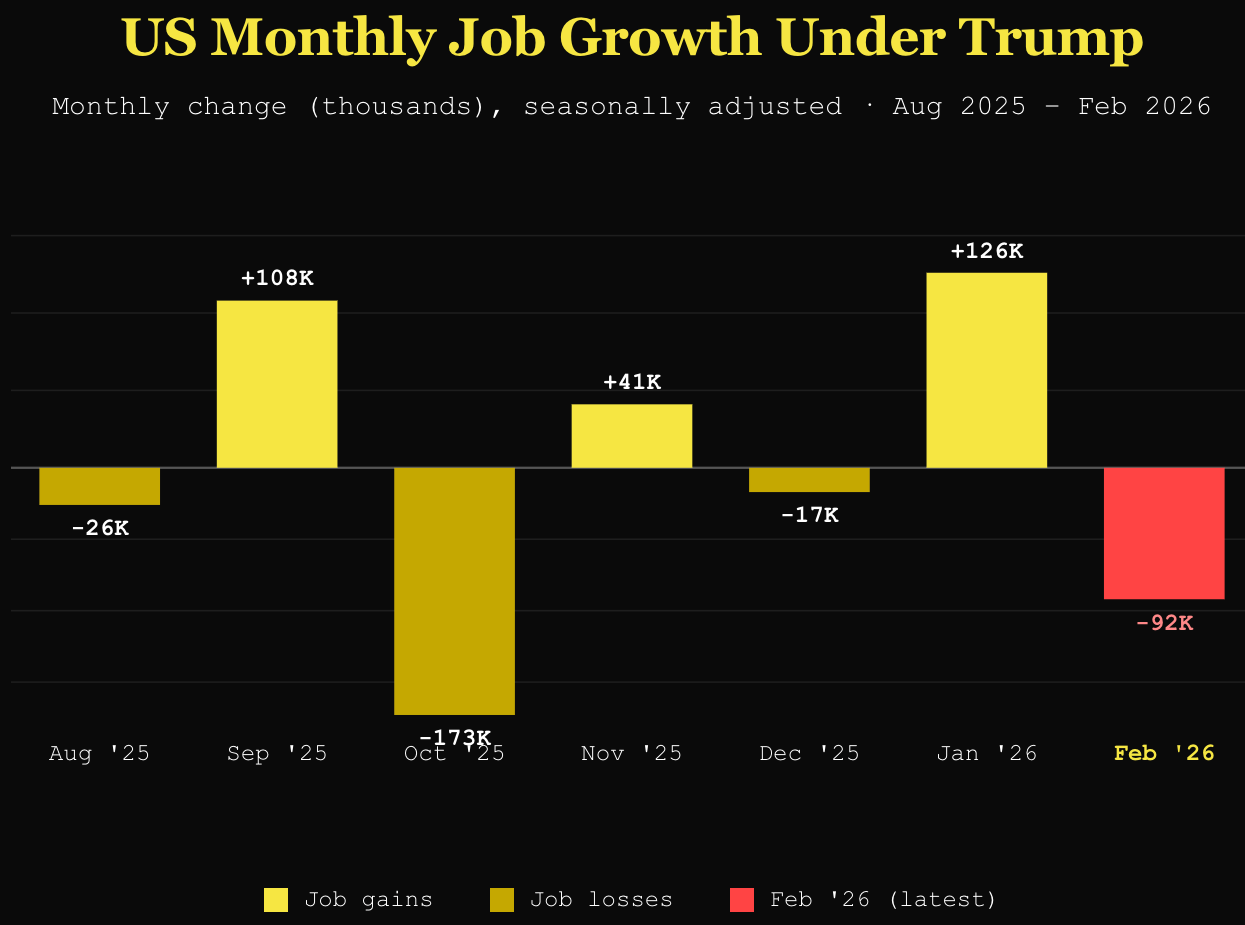
On Friday, the Bureau of Labor Statistics announced that employment growth plunged last month, as the economy lost 92,000 jobs in February. Every major sector saw losses. Even health care, which has accounted for the majority of job growth in the last year, is so weak that a nurses strike in California was enough to push overall job growth into the red. The hiring market is frigid, and monthly job growth since last summer is averaging negative 10,000 per month.
Surely, one thing the US economy doesn’t need right now is a war of choice shutting down a major trade route, blowing up oil markets, and driving up the cost of energy for Americans, just as the labor market seizes up.
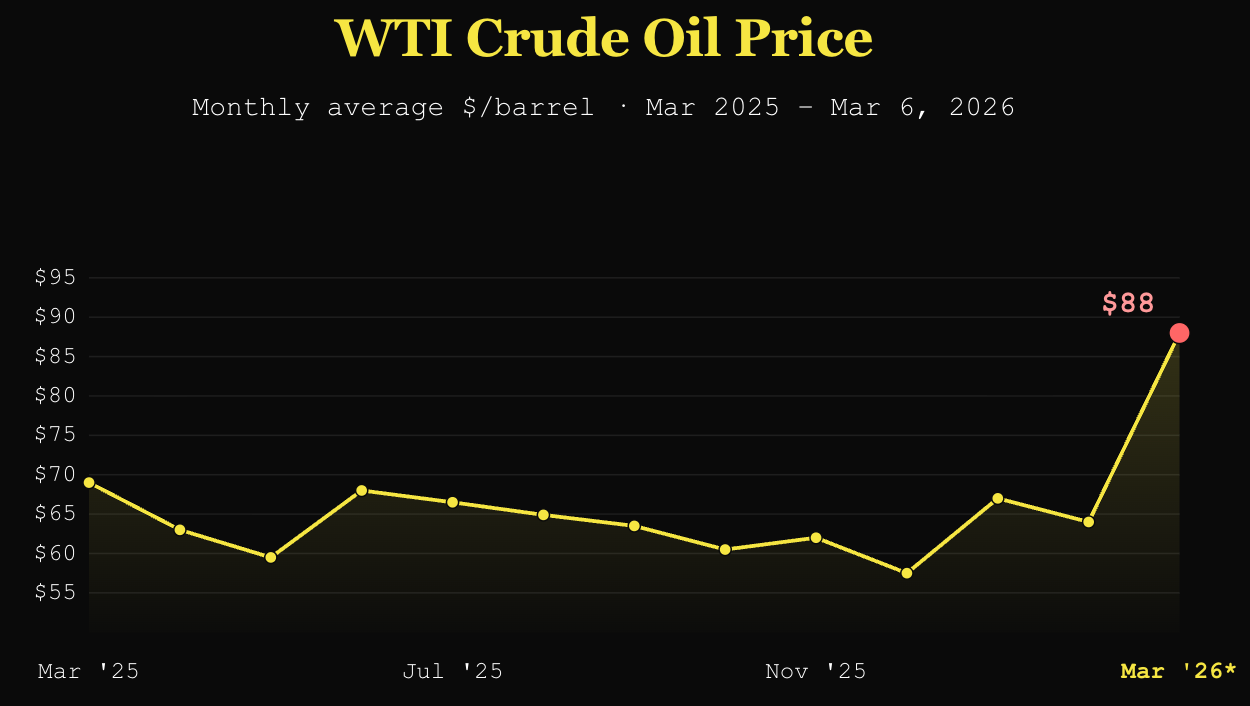
And yet, here we are: Oil prices have skyrocketed in the last few days, amid fears that this conflict will crush supply for weeks, or months. As recently as December, the WTI crude oil price was below $60 a barrel. On Friday, oil prices screamed toward $90. And experts are worried that every week the Iran war continues, the odds of a truly catastrophic disruption to energy production will continue to rise, with potentially devastating consequences for the economy.